Testing this
Testing
Testing

The London Centre for Eating Disorders and Body Image (TLC) now offers an Intensive Outpatient Programme (IOP) for eating disorders in London. This specialist treatment pathway bridges the gap between traditional outpatient therapy and day or inpatient programmes, providing up to five individual sessions per week. Designed for people who feel stuck in recovery, need more structured support, or are stepping down from higher levels of care, the IOP combines psychological therapy, dietetic input, meal support, occupational therapy, and psychiatric oversight — all tailored to individual needs.

As a parent, seeing your child struggle with an eating disorder can be extremely difficult. Whether you are at the early stages of wondering if your child might be struggling with their relationship with food, or if you are already in the process of receiving treatment for an eating disorder, there will be many questions and challenges along the way.

In today’s fast-moving digital world, it’s never been easier to find advice on how to eat, how to look, and how to live. Social media is flooded with wellness influencers, lifestyle coaches, and self-proclaimed nutrition experts offering quick fixes, miracle diets, and body transformation plans. While some of this advice may seem harmless—or even inspiring—much of it is misinformed, oversimplified, or outright harmful.

For many women, menopause is a major life transition—one that brings physical, emotional, and psychological changes. Among the most common but often overlooked challenges during this stage of life is negative body image.

Ramadan is a deeply spiritual time, one of reflection, devotion, and self-improvement. For many, it’s a month of heightened connection with faith, family, and community. But for those struggling with eating disorders (ED), this sacred time can bring feelings of fear, confusion, and emotional pain.

Eating disorders are often misunderstood as illnesses that only affect a specific type of person. Stereotypes abound—many assume eating disorders only affect young, thin, white, cisgender women, or that they arise solely out of a desire to look a certain way.

As a parent, suspecting your child may have an eating disorder can bring a sense of anxiety, worry, and confusion. It’s natural to feel overwhelmed and uncertain about what to do next, but remember: you’re not alone.
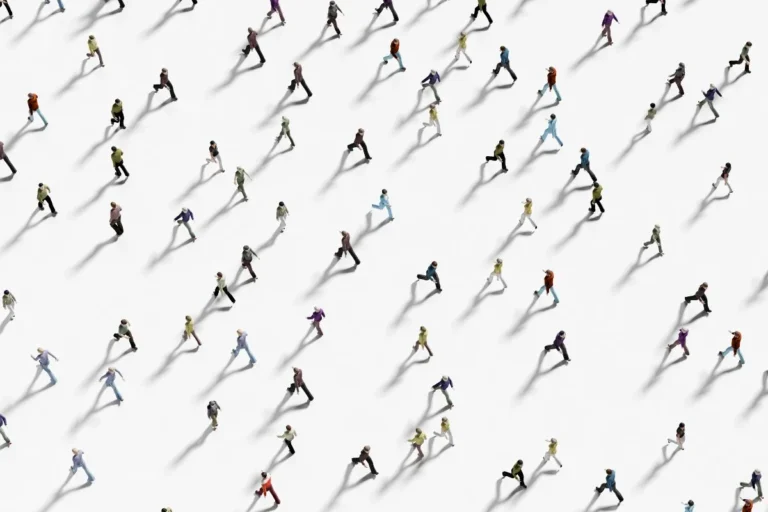
In recent years, there has been growing awareness of the intersection between neurodivergence and eating disorders. Neurodivergence, which includes conditions such as autism, ADHD, and sensory processing differences, represents a way of thinking and experiencing the world that deviates from the neurotypical norm. Understanding how neurodivergence interacts with eating disorders is essential for tailoring effective treatment and offering compassionate care.

Supporting a friend with an eating disorder can feel overwhelming, especially since they might not always be able to express the kind of help or support they need from you, which is often the case for those struggling with disordered eating.

Eating disorders can be deeply challenging, often taking root during adolescence, a time when young people navigate physical changes, emotional ups and downs, and social pressures. For many teenagers, this is an especially vulnerable time. Young teenagers (both girls and boys) can be influenced by societal appearance ideals, hormonal shifts, and the search for their own identity.

As parents it can be deeply distressing to watch a child struggle with emotions they can’t fully articulate. For teenage boys facing eating disorders, this pain is often compounded by feelings of isolation, as these challenges are frequently misunderstood or dismissed.
We use cookies. or Learn more